Part 1 of 4
- Warm interactive style
- Focus on action steps
- Trauma-informed care
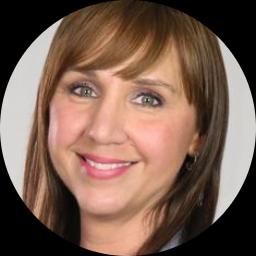
About Christina
Her style is warm and interactive. She aims to treat people with respect and compassion and avoids stigmatizing labels. Sessions focus on practical steps and clear goals rather than jargon. Christina adapts conversations and plans to each person’s situation.
Christina often uses cognitive behavioral techniques to help people recognize and shift patterns of thought and behavior. She blends that with acceptance and commitment ideas to help people clarify values and take action. Solution-focused elements are used to identify immediate, achievable next steps.
People meet her and work together to set short-term goals and track progress. She pays attention to attachment and communication patterns when relationship or family problems come up. Issues like guilt, shame, anger, and self-esteem are explored with concrete strategies to improve daily functioning.
Her approach aims to help people move from feeling stuck to having a clearer path forward. She emphasizes small, actionable changes and supports clients as they try new ways of coping and relating.
Part 2 of 4
How therapy approaches guide online care
Acceptance and Commitment Therapy, or ACT, helps people clarify what matters most to them and take small steps toward those values despite hard feelings. It is often used for anxiety, depression, and coping with major life changes. Cognitive Behavioral Therapy, CBT, focuses on identifying unhelpful thought and behavior patterns and practicing new skills to change how daily life feels. It is commonly applied to anxiety, depression, and anger. Trauma-Focused Therapy centers on helping people process and reduce the impact of traumatic experiences while building practical coping tools for symptoms like flashbacks or strong emotional reactions.Finding the right approach is part of the work together. The therapist will talk with each person about goals, symptoms, and preferences and then suggest which methods to try first. Decisions about methods are collaborative and can be adjusted as progress is tracked.
Confirm the current session options before booking to know which online formats are available. Online therapy can make it easier to fit sessions into a busy week, allow shorter check-ins when needed, and reduce travel time. It also makes it simpler to maintain continuity of care during life transitions. Licensed professionals will help arrange a schedule that fits everyday responsibilities and supports steady progress.
Part 3 of 4
Areas of expertise
Primary focus
Also works with
Additional focus areas
Therapeutic approaches
Experience
8+ years
Credentials
Texas
Languages
English
Part 4 of 4
Frequently asked questions
What kinds of problems can Christina help with?
She works with people facing stress, anxiety, depression, relationship and family concerns, parenting challenges, grief, anger, low self-esteem, ADHD, and trauma-related issues including post-traumatic stress and traumatic brain injury.
What is her general therapy approach and style?
Her style is warm and interactive, focusing on respect and compassion. She uses practical, goal-oriented conversations and adapts methods to each person’s needs.
How many years has she practiced?
Christina has eight years of experience working in the mental health field since completing her master’s degree in counseling in 2015.
Where is she licensed and located?
She holds the LPC credential and practices in Texas.
Which languages are supported for sessions?
Sessions are offered in English.
Can international clients work with her?
International clients are not currently accepted.
How are sessions priced?
Cost varies with location and therapist availability; sessions use a subscription that can be canceled at any time.
How do I begin working with Christina?
Select the Start Therapy button, complete a short matching questionnaire, then schedule according to therapist availability.