Part 1 of 4
- Person-centered care
- Creative tools integrated
- Trauma focus
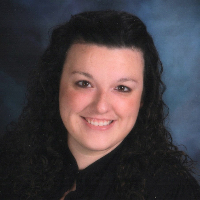
About Chelsea
Her background combines creative arts and clinical counseling. She began as a professional musician and later trained as a music therapist before earning a master's degree in clinical counseling. That mix shapes a flexible, person-centered way of working. Sessions may include music, writing, nature-based ideas, or other creative tools when those match a person's interests.
Chelsea often helps people who have faced trauma and abuse, including complex trauma. She supports clients in processing painful memories, developing coping skills, and rebuilding a sense of safety and agency. She also works with people experiencing mood disorders, addiction, parenting burdens, career changes, and identity-related concerns.
Her clinical approaches include Acceptance and Commitment Therapy (ACT), Attachment-Based Therapy, Client-Centered Therapy, Dialectical Behavior Therapy (DBT), and Eye Movement Desensitization and Reprocessing (EMDR). She describes her style as collaborative and tailored, choosing methods that fit each person's goals and strengths.
Chelsea practices in Utah and offers services in English. She has eight years of clinical experience and holds the LCMHC credential. To begin, she asks people to share their story so she can match practical steps to what matters most to them.
Part 2 of 4
Approaches you can use in online therapy
Chelsea draws from several methods that translate well to remote work. Acceptance and Commitment Therapy (ACT) focuses on noticing thoughts and values, then taking small actions toward a meaningful life; it can help with anxiety, low mood, and navigating life changes. Attachment-Based Therapy looks at patterns in relationships and how early bonds influence current connections; it can help with intimacy, abandonment, and family of origin issues. Eye Movement Desensitization and Reprocessing (EMDR) is a trauma-focused method aimed at reducing the emotional intensity of painful memories and supporting post-trauma recovery.Finding the right approach is part of the work. Chelsea will talk with each person about their goals and preferences and suggest methods that fit. Together they decide what feels doable, whether that means learning emotion-regulation skills, trying creative exercises, or working through traumatic memories more directly.
Many people find online therapy helps fit sessions into busy lives by reducing travel time and making scheduling easier. If you are considering remote sessions, confirm the exact session formats before booking so you know what to expect. Chelsea aims to help clients apply skills between meetings and make therapy practical for everyday routines.
Part 3 of 4
Areas of expertise
Primary focus
Also works with
Additional focus areas
Therapeutic approaches
Experience
8+ years
Credentials
Utah
Languages
English
Part 4 of 4
Frequently asked questions
What concerns does Chelsea often address?
She helps with stress, anxiety, depression, trauma and abuse, relationship and intimacy issues, addiction, parenting strain, grief, and identity-related concerns such as LGBT matters.
What is her general approach in sessions?
Chelsea uses a flexible, person-centered style that combines talk therapy with creative options like music, writing, or nature-based ideas to match a client's interests and goals.
How much clinical experience does she have?
She has eight years of experience working clinically, drawing on a background that includes music therapy and a master’s degree in clinical counseling.
What credential and region should I know about?
She holds the LCMHC credential and practices in Utah.
Which languages are supported and can international clients connect?
Sessions are offered in English, and she accepts international clients.
What session formats are offered?
Session formats are not specified here; please confirm current options before scheduling to ensure they meet your needs.
How is cost handled for sessions?
Cost varies by location and the therapist's scheduling; sessions use a subscription model that can be canceled at any time.
How do I get started with therapy?
Choose the Start Therapy button, complete the short matching questionnaire, and schedule sessions according to the therapist's availability.