Therapist listings are provided by BetterHelp. We will earn a commission at no extra cost to you if you use our links to buy.

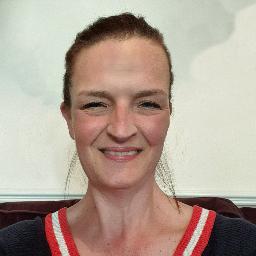
Charlotte O'Neill

Charlotte O'Neill, BACP

Therapist in United Kingdom

Person-centred counsellor who listens and guides

Continue with Charlotte

Review online therapy options on BetterHelp.

Part 1 of 4

  • Empathic listening
  • Practical steps
  • Values focused

About Charlotte

Charlotte O'Neill is a counsellor based in the United Kingdom who works with people facing stress, anxiety, depression and major life changes. She uses a person-centred approach and aims to create a non-judgemental space where each person sets the agenda. Charlotte is a member of the British Association for Counselling and Psychotherapy, listed as BACP. In sessions she focuses on what matters to the client right now. Conversations are paced by the individual and shaped around their priorities. She listens for the things that make day-to-day life harder, such as work pressure, changes at home, grief or problems with intimacy, and helps people talk these through. Charlotte draws on client-centred, existential and solution-focused ideas rather than a single strict method. That means she pays attention to a person’s experience, the choices they face, and practical steps that can help between meetings. The mix is adjusted to suit issues like attachment, body image, chronic illness, or coping after trauma. Her practice aims to help people find clearer direction and manageable ways to cope. Sessions may include reflection, exploring values and small goal-setting. Charlotte describes the work as collaborative - she supports and gently guides rather than telling people what to do. With three years of experience, Charlotte has worked with a range of concerns from communication problems to caregiver stress. People who choose her often want a straightforward, empathic counsellor who will listen and help them move forward.

Part 2 of 4

How her approaches shape online counselling

Charlotte often works from a client-centred perspective, which means she listens closely and follows what the person brings to session. This approach helps when someone needs time to be heard and to make sense of difficult feelings. Existential ideas in her work focus on values and the choices people face. These conversations can help when someone is rethinking life direction after loss, career change, or other major events. Solution-focused elements aim for brief, practical steps that can be tried between meetings. This can suit people who want clear small goals to test and adjust as they go. Finding the right approach is part of the work together. The therapist will discuss what feels most useful and adapt methods to goals, needs and preferences. Clients take an active role in shaping the plan rather than following a fixed model. If you are considering online sessions, check the current session options before booking so you know what formats are offered. Online work can make it easier to fit therapy into busy days, reduce travel time, allow shorter check-ins when needed, and let people join from different locations. Registered or accredited professionals can use these methods to help with practical coping, exploring values and setting step-by-step changes without promising a particular outcome.

Part 3 of 4

Areas of expertise

Also works with

Relationship issuesFamily conflictsTrauma and abuseGriefIntimacy-related issues

Additional focus areas

AbandonmentAging and geriatric issuesAttachment issuesAutism and Asperger SyndromeAvoidant personalityBlended family issuesBody imageCaregiver issues and stressChronic pain, illness, and disabilityCodependencyCommitment issuesCommunication problemsControl issuesCoping with natural or human-caused disasterDependent personalityDisruptive Mood Dysregulation Disorder (DMDD)DissociationDivorce and separationDomestic violenceEmptinessFamily problemsFatherhood issuesFirst responder issuesForgivenessGuilt and shameImpulsivityInfidelityIsolation / lonelinessJealousyLife purposeMen's issuesMidlife crisisVeteran and Armed Forces IssuesMoney and financial issuesMood disordersNarcissismPanic disorder and panic attacksPersonality disordersPrejudice and discriminationSeasonal Affective Disorder (SAD)Self-harmSelf-loveSexual assault and abuseSexualitySocial anxiety and phobiaTraumatic brain injuryWomen's issuesWorkplace issues

Therapeutic approaches

Client-Centered TherapyExistential TherapySolution-Focused Therapy

Experience

3+ years

Credentials

See below

Languages

English

Part 4 of 4

Frequently asked questions

What kinds of problems does she help with?

She works with stress, anxiety, depression and coping with life changes. Other concerns include relationship and intimacy issues, grief, trauma and many day-to-day struggles.

How would you describe her therapeutic style?

Her work is person-centred and client-led, with influences from existential and solution-focused approaches. Sessions tend to combine listening, exploring choices, and setting small practical steps.

What is her professional background?

She has three years of experience working as a counsellor and has supported people with issues such as work stress, attachment concerns and chronic illness adjustments.

What credentials and region should I know about?

She is a member of the British Association for Counselling and Psychotherapy, listed as BACP, and practises in the United Kingdom.

Which languages are sessions offered in?

Sessions are offered in English.

Can international clients work with her?

International clients are not currently accepted.

How are fees and billing handled?

Cost varies with location and therapist arrangements; sessions use a subscription that can be cancelled at any time.

How do I begin working with this counsellor?

Click the Start Therapy button, complete the short matching questionnaire, and then schedule sessions according to the therapist's availability.

Back to all therapists

Charlotte O'NeillReview online therapy options on BetterHelp.

Continue with Charlotte