Part 1 of 4
- Strengths focused
- Integrative methods
- Values based
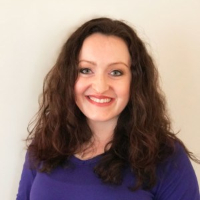
About April
Her style is warm and professional. She focuses on strengths and listens for each person's values before suggesting next steps. Early sessions are spent getting to know what matters and what needs to change.
April uses an integrative approach and blends methods to match each person's needs. Two approaches she frequently uses are Client-Centered Therapy and Cognitive Behavioral Therapy, which she adapts in ways that fit daily life. She explains techniques and reasons behind them so people can try things between sessions.
Sessions often include reflection on thoughts and feelings, practical steps to interrupt unhelpful thinking, and building skills to manage stress, anxiety, or mood swings. She also addresses topics such as trauma, grief, addiction, parenting challenges, and caregiver stress.
April encourages questions and gives clear information so people can decide whether to work together. She frames therapy as teaching people ways to care for themselves and supports clients as they practice those skills.
Part 2 of 4
How her approaches translate to online therapy
April often uses Client-Centered Therapy and Cognitive Behavioral Therapy in her work. Client-Centered Therapy focuses on reflective listening and helping people name their own values and goals, which can help with issues like relationship strain, parenting stress, and self-esteem. Cognitive Behavioral Therapy looks at thought patterns and practical behavior changes, which can be useful for anxiety, depression, ADHD-related struggles, and coping with life changes.Finding the right approach is part of the process. April treats therapy as a collaboration and will help you decide what feels most useful based on your goals and preferences. Early conversations focus on what you want to change and which methods feel manageable in daily life.
Practical benefits of online therapy can include fitting sessions into a busy schedule and reducing time spent traveling. If you are considering working together, confirm current session options before booking so you know what formats are available. The focus will be on making sessions fit into everyday routines and helping you practice skills between meetings.
Part 3 of 4
Areas of expertise
Primary focus
Also works with
Additional focus areas
Therapeutic approaches
Experience
8+ years
Credentials
North Carolina
Languages
English
Part 4 of 4
Frequently asked questions
What kinds of problems does April help with?
She works with a wide range of concerns including stress, anxiety, trauma and abuse, grief, depression, ADHD, addictions, relationship and intimacy issues, parenting and caregiver stress, and coping with life changes.
How would you describe her therapeutic style?
Her style is warm but professional, using strength-based and person-centered language. She blends reflective listening with practical skills work to make therapy useful between sessions.
What is her background and experience?
April has eight years of clinical experience as a Licensed Clinical Mental Health Counselor. She spends early sessions learning about each person's values and history to guide treatment.
Where is she licensed and practicing?
She is licensed as an LCMHC in North Carolina and practices there.
Can I work with her in languages other than English?
Sessions are offered in English.
Are international clients supported?
She does not accept international clients at this time.
How are session costs handled?
Cost varies with location and therapist availability; sessions use a subscription that can be canceled at any time.
What do I do to begin working with her?
Select the Start Therapy button, complete a short matching questionnaire, and schedule sessions according to therapist availability.