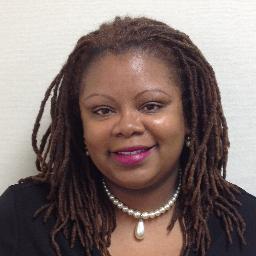
Part 1 of 4
- Motivational interviewing
- Cognitive behavioral work
- Strength based care
About Annette
Her sessions focus on practical changes. She uses motivational interviewing to help people find their own reasons to change. She pairs that with cognitive behavioral techniques to notice and shift unhelpful thoughts and actions. Mindfulness and client-centered methods help slow things down when feelings are intense.
Dr. Solomon has a long record of working with people facing addiction, trauma and abuse, grief, depression, anxiety, and stress. She also supports people dealing with chronic illness, caregiving strain, and intimacy or relationship struggles. She has experience with HIV/AIDS, chronic pain, and other medical concerns alongside mental health needs.
Her style is warm and strength-based. Early sessions usually focus on understanding what matters most and setting clear, short-term goals. Together, therapist and client track small steps and adjust the plan as needed.
Practical tools and measurable steps are part of the work. Clients often leave sessions with a short exercise or strategy to try before the next meeting. Over time, those small changes add up to clearer choices and better coping in daily life.
Part 2 of 4
How therapeutic approaches translate to online work
Client-Centered Therapy emphasizes listening, empathy, and following the client's lead to clarify what matters most. Online sessions using this approach focus on building a trusting connection and helping clients name their goals in straightforward terms.Cognitive Behavioral Therapy, or CBT, targets specific thoughts and behaviors that keep problems going. In an online setting, CBT can include reviewing thought records, setting small behavioral experiments, and practicing new skills between sessions.
Finding the right approach is a team process. The therapist will work with each person to choose techniques that match their needs, goals, and preferences. That may mean mixing motivational interviewing with CBT or adding mindfulness practices as needed.
Confirm the available session formats before booking, as the therapist's biography does not list specific online options. Online work can make it easier to fit sessions into a busy week, allow shorter check-ins when schedules demand, and reduce travel time to appointments. Talk with the therapist about what will fit best in your routine and your goals.
Part 3 of 4
Areas of expertise
Primary focus
Also works with
Additional focus areas
Therapeutic approaches
Experience
21+ years
Credentials
Michigan
Languages
English
Part 4 of 4
Frequently asked questions
What concerns does this therapist address?
She works with a wide range of concerns including addiction, trauma and abuse, grief, depression, anxiety, stress, relationship and intimacy issues, sleeping problems, parenting strain, and ADHD-related challenges.
What is the therapist's general approach in sessions?
Her approach blends client-centered listening with motivational interviewing and cognitive behavioral techniques to set goals and try practical strategies between sessions.
How much experience does the therapist have?
She brings 21 years of professional experience working in clinical settings and with medical teams.
What credentials and region are associated with this therapist?
She is listed as MI Psychologist 6301013313 and practices in Michigan.
Which languages are supported for sessions?
Sessions are offered in English.
Can people outside the country work with this therapist?
International clients are not currently accepted.
How are sessions scheduled and what about cost?
Cost varies with location and therapist availability and uses a subscription that can be canceled at any time.
How do I begin therapy with this clinician?
Use the Start Therapy button, complete a short matching questionnaire, and schedule sessions according to therapist availability.