Part 1 of 4
- Trauma and abuse
- Stress and anxiety
- Relationship help
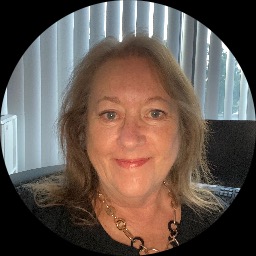
About Amy
She creates a calm, nonjudgmental space where people can talk about what is happening in their lives. Conversations focus on what matters most to the person sitting in the room. Amy listens for patterns and practical ways to make daily life easier.
Her work often looks at family of origin issues, blended family concerns, and communication or commitment problems. She also helps people facing grief, life transitions, and challenges like guilt, shame, or isolation. First responder issues, veteran and armed forces concerns, and coping after natural or human-caused disasters are other areas she addresses.
Amy uses several approaches, including Acceptance and Commitment Therapy, Cognitive Behavioral Therapy, Client-Centered Therapy, the Gottman Method, and mindfulness practices. She draws from these methods to match techniques to a person’s needs rather than following one rigid plan.
People who choose Amy can expect straightforward conversation, problem-focused work, and encouragement to try small changes between sessions. Her approach centers on practical steps that fit into everyday life and the client’s priorities.
Part 2 of 4
How Amy’s approaches translate to online therapy
Amy draws from Acceptance and Commitment Therapy and Cognitive Behavioral Therapy to guide her work. Acceptance and Commitment Therapy helps people notice difficult thoughts and feelings without getting stuck, then commit to actions that match their values. Cognitive Behavioral Therapy focuses on identifying unhelpful thinking and testing small behavior changes to reduce symptoms and improve daily routines.Finding the right approach is a collaborative process. Amy will work with each person to see which methods fit best for their goals, preferences, and life situation. She adjusts techniques as the work progresses so therapy stays practical and relevant.
Confirm the current session options before booking, since formats are not listed here. Online therapy can make it easier to fit sessions into a busy week, cut travel time, and keep appointments during life transitions. Some formats also allow shorter check-ins or sessions without video, which can be helpful when bandwidth is limited or a quieter setting is needed. Ask about current session options when you schedule so you can choose what works best for your routine.
Part 3 of 4
Areas of expertise
Primary focus
Additional focus areas
Therapeutic approaches
Experience
26+ years
Credentials
Florida
Languages
English
Part 4 of 4
Frequently asked questions
What kinds of concerns does Amy address?
Amy helps people with stress, anxiety, relationship issues, trauma and abuse, and depression. She also works on related areas like family of origin problems, blended family issues, grief, and life transitions.
What is her therapeutic style like?
She keeps sessions direct and supportive, focusing on practical steps and listening without judgment. Sessions blend conversation with techniques drawn from several approaches suited to the person's needs.
How much experience does she have?
Amy has 26 years of professional experience working in clinical settings and with individuals facing trauma, relationship challenges, and mood concerns.
What credential does she hold and where is she based?
She is a licensed clinical social worker, LCSW, licensed in Florida. Her practice and licensure are based in Florida.
Which languages are supported for sessions?
Sessions are offered in English.
Can people from other countries work with her?
She does not accept international clients at this time.
How are fees and payment handled?
Cost varies with location and therapist availability; sessions use a subscription that can be canceled at any time.
How do I begin working with her?
Use the Start Therapy button, complete a short matching questionnaire, and schedule according to therapist availability.