Part 1 of 4
- Trauma-informed listening
- Practical daily strategies
- Supports neurodiversity
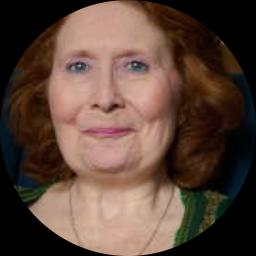
About Amanda
Amanda creates an open, non-judgemental space where clients can talk through what is hardest. She adapts sessions to the person in front of her and focuses on simple, repeatable strategies. That might be breaking tasks into smaller steps, adding short breathing breaks, or setting clearer boundaries around work and rest.
Her practice draws on several talking therapies. Amanda uses Acceptance and Commitment Therapy to help people notice difficult thoughts and keep moving toward values. She draws on Cognitive Behavioral Therapy to spot and change unhelpful thinking patterns. Attachment-Based and Client-Centred ideas shape how she builds trust and listens to each person’s history.
With four years of experience, Amanda works with a wide range of concerns including relationship and intimacy issues, grief, parenting strain, chronic illness, and career stress. She also supports people with more complex combinations of challenges such as co-morbidity or compassion fatigue.
Sessions are offered in English and she accepts international clients. To begin, people complete a short matching questionnaire and then schedule a time that fits their routine.
Part 2 of 4
Therapeutic approaches you can use online
Amanda uses Acceptance and Commitment Therapy and Cognitive Behavioral Therapy among other approaches. Acceptance and Commitment Therapy helps people notice difficult thoughts and feelings without getting stuck in them, then choose actions that match their values. It can be useful for anxiety, low mood, and making steady life changes. Cognitive Behavioral Therapy focuses on spotting unhelpful thinking patterns and testing them with small behavioural experiments to reduce anxiety and improve mood.Finding the right approach is part of therapy. Amanda will work together with each person to choose methods that fit their needs, goals and preferences. That means checking what helps in early sessions and adjusting the plan as progress or challenges appear.
The practical benefits of online work include fitting sessions into a busy day and making it easier to maintain regular meetings. Online sessions can be useful for shorter check-ins when time is limited, or for conversations where being on camera is not required. The original biography does not list specific session formats, so confirm which options are offered before booking to make sure they fit your routine.
Part 3 of 4
Areas of expertise
Primary focus
Also works with
Additional focus areas
Therapeutic approaches
Experience
4+ years
Credentials
See below
Languages
English
Part 4 of 4
Frequently asked questions
What concerns does Amanda commonly help with?
Amanda supports people with stress, anxiety, depression, trauma and abuse, addictions, ADHD and autism, relationship and intimacy issues, grief, parenting strain, and related concerns.
What is her therapeutic style like?
She offers a warm, direct style that combines active listening with practical strategies and breathing or grounding exercises to use between sessions.
How much clinical experience does she have?
Amanda has four years of professional experience working with a wide range of mental health and life challenges.
What credentials and location are listed?
She is listed with the credential NCPS and practises in the United Kingdom.
Which languages and international work are supported?
Sessions are offered in English and Amanda accepts international clients.
What session formats are available?
The original biography does not specify session formats, so please confirm current session options before booking.
How does billing work and what does it cost?
Cost varies with location and therapist availability; sessions use a subscription that can be cancelled at any time.
How do I start working with her?
Select the Start Therapy button, complete a short matching questionnaire, and schedule according to therapist availability.